Soundala Village Declares Itself Caste-Free
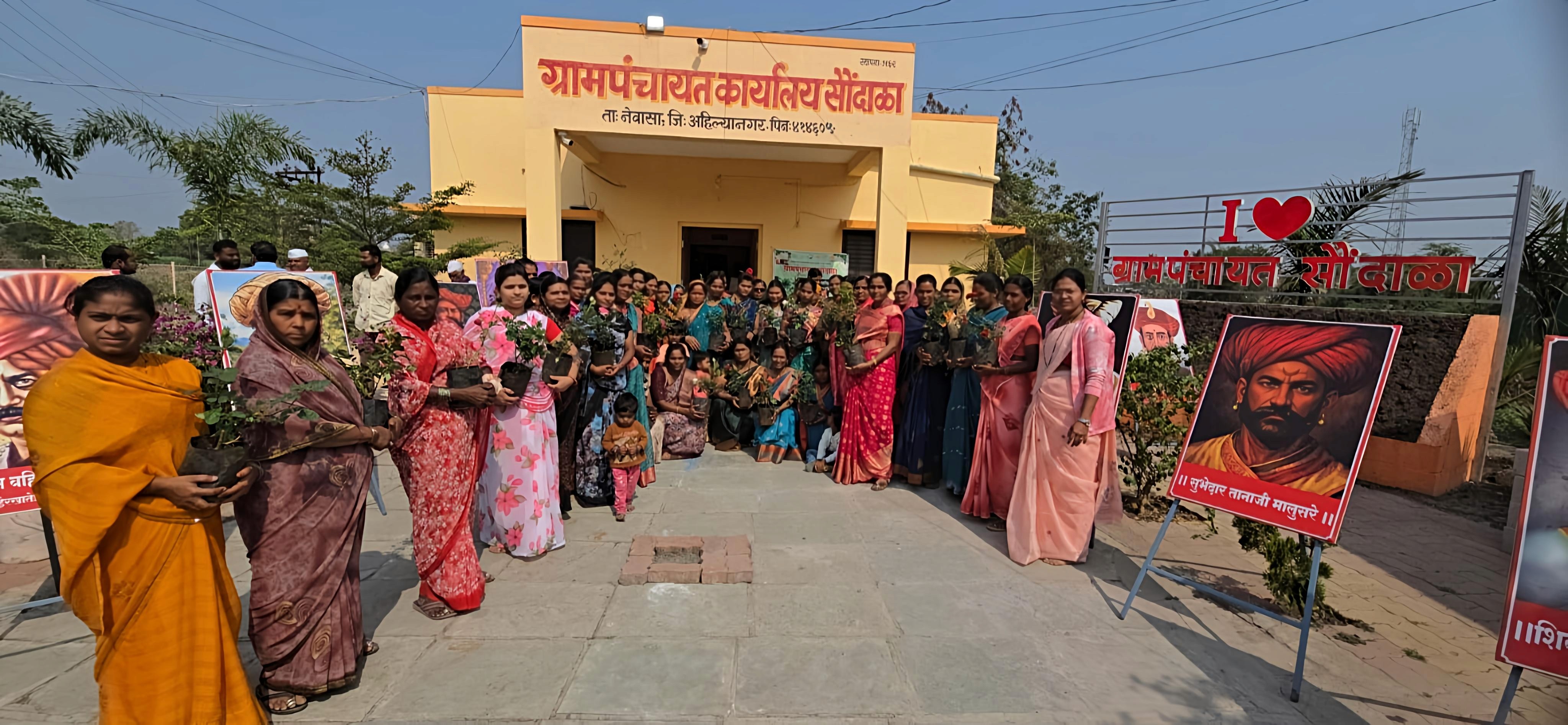
Under a gentle February sun, a rural Maharashtra community chose the Constitution over centuries-old divides, embracing one simple truth: "Aamchi Jaat… Manav" – My Caste is Humanity.
On the morning of February 5, 2026, the winter light filtered softly over the fields and lanes of Soundala, a village of diverse backgrounds in Nevasa taluka, Ahilyanagar district. No grand processions, no fiery speeches—just ordinary people walking into their Gram Sabha meeting, carrying the weight of everyday life and the hope for something better.
Led by Sarpanch Sharadrao Argade, the gathering began with a symbolic act: a voluntary blood donation camp where residents from all backgrounds gave freely, their blood mingling in bags as a living reminder that beneath the skin, we are one. Then came the moment that would echo far beyond the village boundaries. Argade proposed a resolution declaring Soundala caste-free. To everyone's quiet relief—and perhaps surprise—the vote was unanimous.
The resolution draws directly from the Indian Constitution's Preamble, pledging to ban caste discrimination, untouchability, social boycotts, and even divisive social media posts. It guarantees equal access to temples, water sources, schools, community halls, cremation grounds, and all government services—no exceptions, no hierarchies. "From now onwards, in Soundala village, no one will follow caste or indulge in any form of caste practices," it states plainly. "Humanity is the only religion that the villagers will follow.
As Sarpanch Argade reflected, it's a small step with big dreams: to live equality, not just preach it. In a nation where caste shadows so much, Soundala's bold choice lights a path—proving that change can start in the simplest places, with the bravest hearts.
This village has given India a motto worth repeating: My caste is humanity. May more communities hear it and follow. What if your village, your neighborhood, took a similar stand? The ripple could be endless.